✓
Source check first
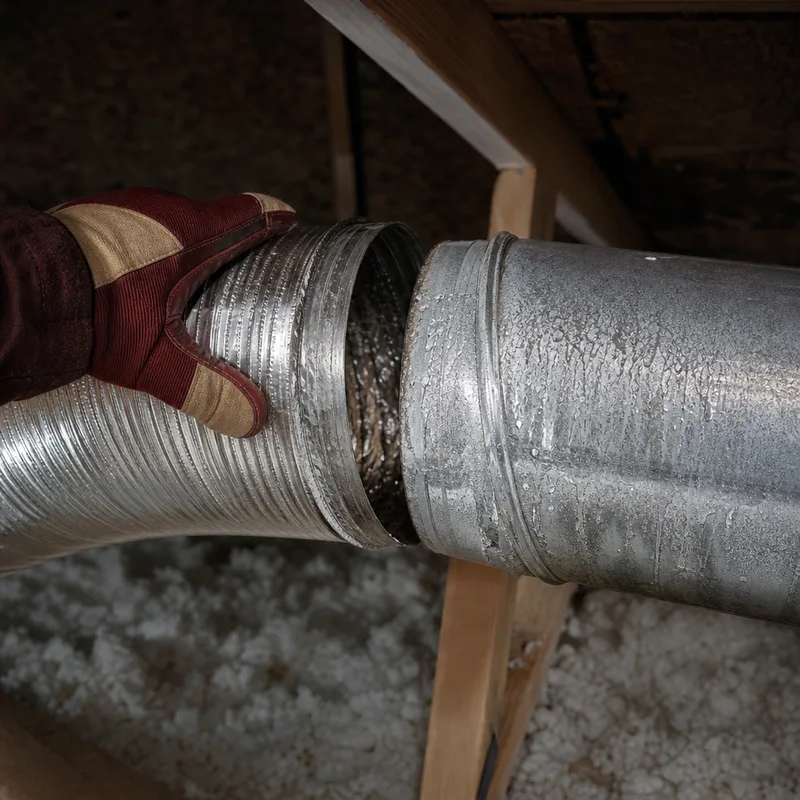
The contractor will look for roof leaks, wet wood, frost or condensation marks, and signs that fans or ducts are exhausting into the attic.
Serving Columbus, Ohio & surrounding areas
Calls answered around the clock
Describe what you're seeing once and we'll connect you with a local contractor who handles attic mold removal and cleanup.
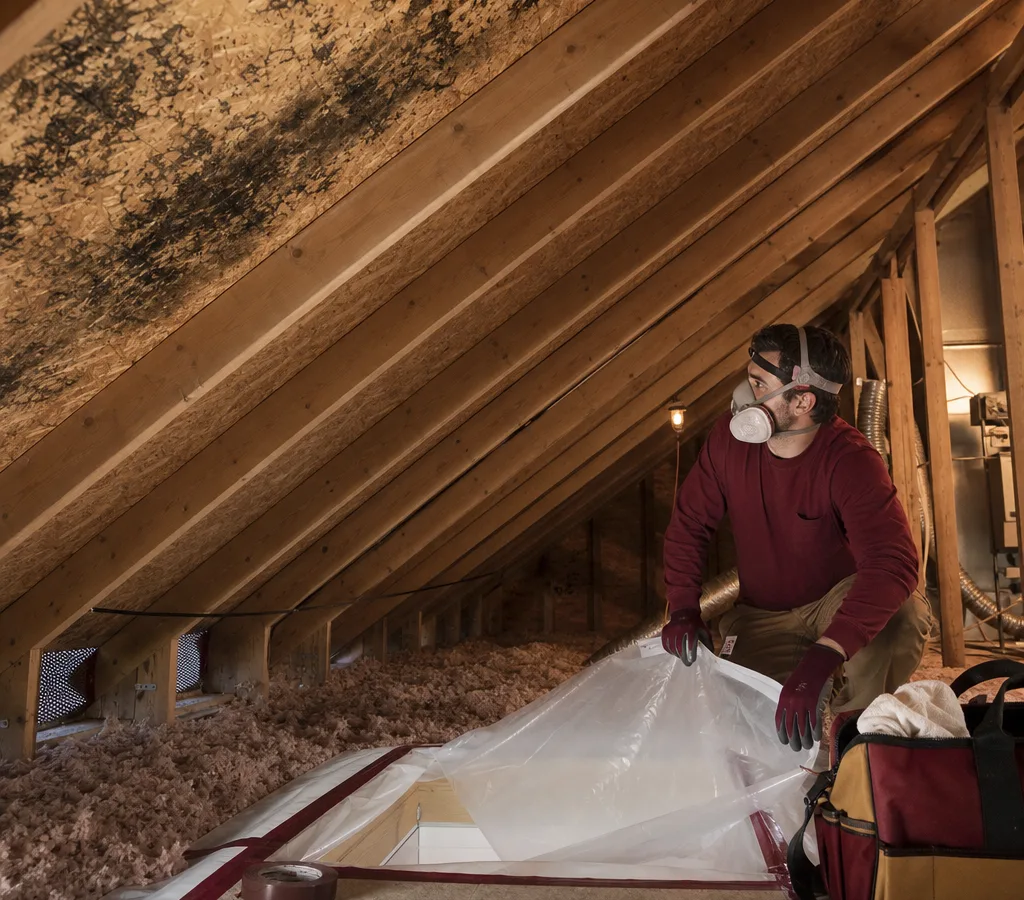
If you're searching for attic mold removal Columbus Ohio, you're usually dealing with one of three triggers: moisture from roof leaks, warm moist air leaking into a cold attic, or poor ventilation that lets humidity linger on the roof decking.
A thorough attic mold job is more than spraying something on dark spots. The contractor you speak with will typically separate the work into two parts:
Attics in central Ohio can swing between humid summers and cold winters, which makes condensation problems common when air sealing and ventilation are out of balance. A contractor may recommend:
If you also need broader mold remediation elsewhere in the home, describe all the affected areas when you call so the referral can be matched to the work you are dealing with.
The contractor will look for roof leaks, wet wood, frost or condensation marks, and signs that fans or ducts are exhausting into the attic.
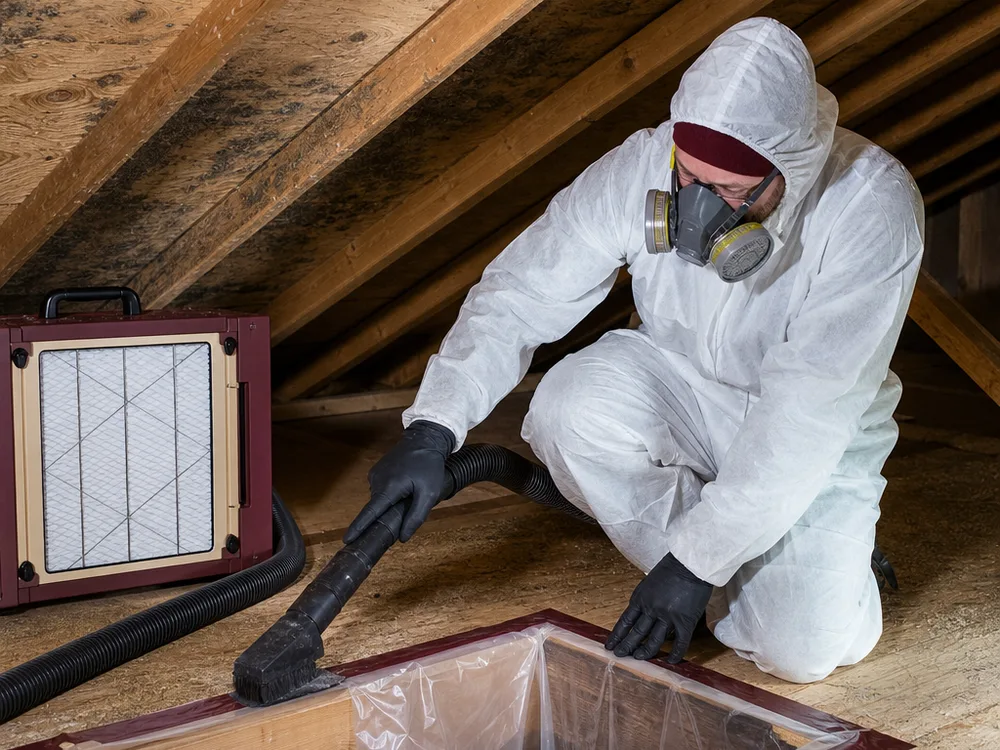
Attic work stirs up debris. Expect protection at the access point, controlled work practices, and HEPA filtration steps appropriate to the scope.
Framing and sheathing can require anything from hand cleaning to abrasive methods, depending on how deep the growth is and how accessible the area is.
The scope often includes evaluating insulation for contamination and moisture damage, then coordinating removal and replacement if needed.
Air sealing and ventilation corrections are frequently part of preventing recurrence, especially around bath fans, attic hatches, and blocked soffits.
One conversation starts the referral. You then discuss your attic, the likely scope, and the next steps directly with the contractor.
Tell us where the suspected mold is—roof decking, rafters, or around vents—whether there is an odor, and if you have noticed roof leaks, bathroom fan issues, or winter ice and frost.
We match your call to an independent contractor who handles attic mold removal work in the Columbus area.
The contractor can ask about access, insulation type, recent repairs, and health concerns so they can explain the likely approach and next steps.
If the plan makes sense, you schedule directly with the contractor. If not, you are not locked into anything.
Attic mold problems can have more than one cause. Describe the situation once and get connected with a local contractor who can identify the driver and outline the cleanup approach.
CALL NOW: 380-233-4315Moisture patterns, exhaust duct connections, ventilation paths, and the condition of cleaned materials all help shape the scope.
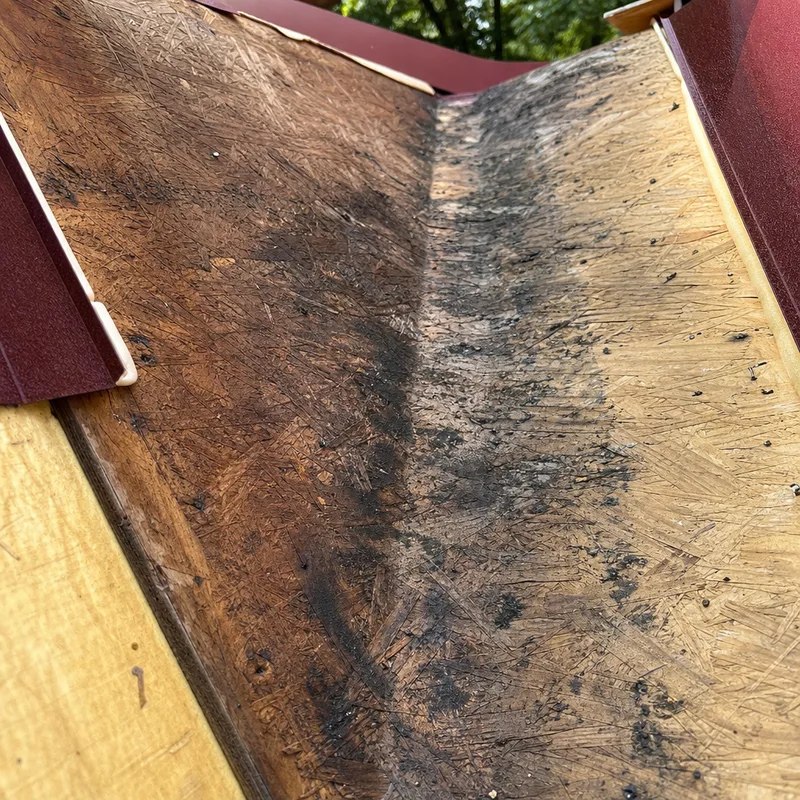
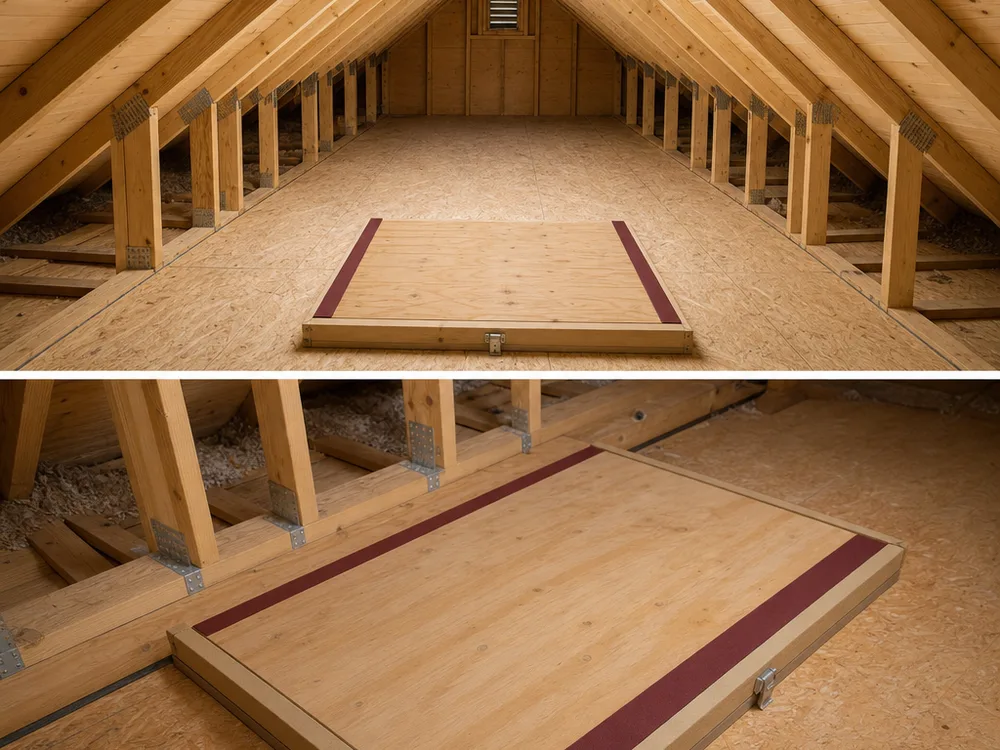
A contractor will look for growth patterns and moisture clues, not just color. Mold often shows irregular spotting or fuzzy patches and may coincide with condensation lines, wet fasteners, roof leaks, or musty odors, while some roof sheathing can have darkened areas from manufacturing, soot, or old moisture marks. Photos help, but an in-person look at texture and surrounding moisture conditions is usually what settles it.
Attic mold is usually driven by moisture plus a surface that stays cool long enough for condensation. In central Ohio, winter conditions can reveal warm indoor air leaking into a cold attic and condensing on the underside of roof decking. Summer humidity can also cause problems when ventilation is restricted or bath fans are not ducted outside.
Insulation is handled based on contamination and moisture. If insulation is wet, compressed, or contaminated with mold growth and debris, removal is often recommended so the attic framing can be cleaned properly and odors do not linger. If insulation is dry and not impacted, the contractor may be able to protect it during cleaning and keep the scope focused on the affected wood.
Containment is a set of steps that limits dust and spore movement from the attic into living areas. It often includes protecting the access opening, using plastic barriers as needed, controlling airflow with filtration equipment, and using HEPA vacuums during cleanup. The exact setup depends on the size of the affected area and how the attic connects to the rest of the home.
The cleanup and moisture corrections are usually planned together, then sequenced so the work makes sense. In many homes, the contractor will recommend addressing obvious moisture sources early, such as a disconnected bath fan duct or an active roof leak, and then completing cleaning after the attic can stay dry. Air sealing and ventilation improvements are often part of the same overall plan to reduce recurrence.
Have a short description of where you see the issue, when you noticed it, and whether there was a recent roof leak, ice dam, bathroom fan problem, or insulation change. If you can safely take photos from the attic hatch without stepping onto joists or drywall, that can help the contractor understand the likely scope before scheduling a visit.
Yes, but the right approach can differ by location and moisture source. Tell us all the areas you are concerned about, and we will connect you with a local contractor who handles the type of remediation work your home needs.
Call Mold Removal Columbus Ohio, describe what you're seeing once, and we'll connect you with a local contractor who handles attic mold removal in Columbus and nearby communities.
For how inspection, containment and cleanup run across the whole service, see the Columbus Mold Removal overview.