✓
One description, then a connection
Explain the leak, flood, or burst pipe once. We connect you with a local contractor who handles this type of water damage work.
Serving Columbus, Ohio & surrounding areas
Calls answered around the clock
Describe what happened once and we'll connect you with a local contractor who handles water removal, drying, and cleanup for Columbus homes and businesses.
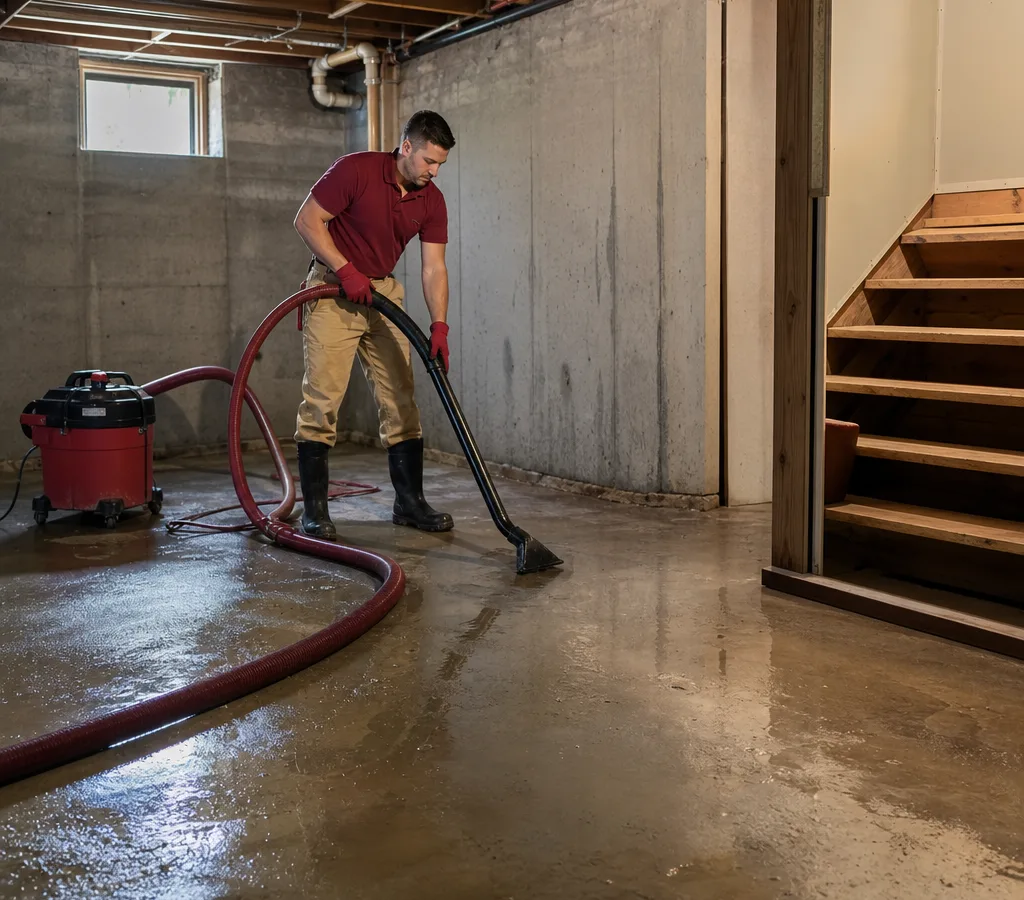
Water damage spreads because water moves through seams, wicks into drywall, and hides under flooring. If you're dealing with water damage in Columbus, OH, the most helpful first step is to separate two problems: stopping the source—plumbing, appliance, roof, or groundwater—and drying out what got wet.
If it's safe to do so, shut off the water supply to the affected area and cut power to wet rooms, especially basements with outlets near the floor. Then document what you're seeing. A contractor will usually ask where the water started, how long it has been present, and what materials were soaked.
When you call Mold Removal Columbus Ohio, we take the details once and connect you with a local contractor who focuses on water damage restoration work in the Columbus area. You'll speak directly with the contractor about scope and next steps.
Here's what the contractor typically checks on arrival:
A clear early plan matters because the drying approach depends on the structure. A finished basement in Clintonville can trap moisture behind paneling and trim, while a newer build in Dublin might have layered flooring systems where water sits between underlayment and subfloor. In both cases, the contractor's goal is to stop ongoing wetting, remove water where it's accessible, and dry materials thoroughly so you're not dealing with lingering odor, swelling, or staining later.
If you're also worried about odor or suspected microbial growth after a damp-out, the water-damage conversation often overlaps with mold removal planning. A contractor can explain what they see and whether separate remediation steps are needed after drying.
Explain the leak, flood, or burst pipe once. We connect you with a local contractor who handles this type of water damage work.
Different materials and layouts change the drying plan, from finished basements to slab-on-grade rooms and attached garages.
A contractor can outline what can be dried in place, what needs to be detached for airflow, and what should be removed.
You talk with the contractor directly, review the scope, and decide whether to proceed.
Water intrusion happens in offices, retail, and multi-unit buildings too. The contractor can tailor containment and drying around the space.
One call starts the referral, followed by moisture assessment, water removal, controlled drying, and clear next-phase planning.
Share where the water is, what caused it if known, which rooms are affected, and whether any materials are buckling, sagging, or discolored.
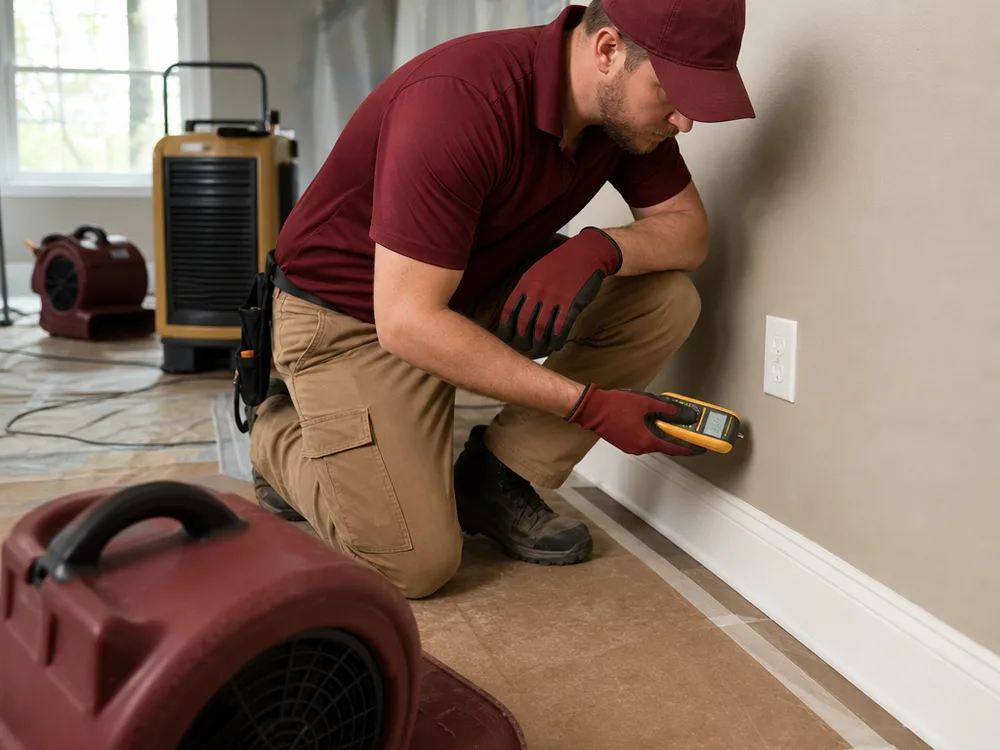
The contractor looks for the source, maps wet areas, and explains what is likely wet behind what you can see, including flooring layers and wall cavities.
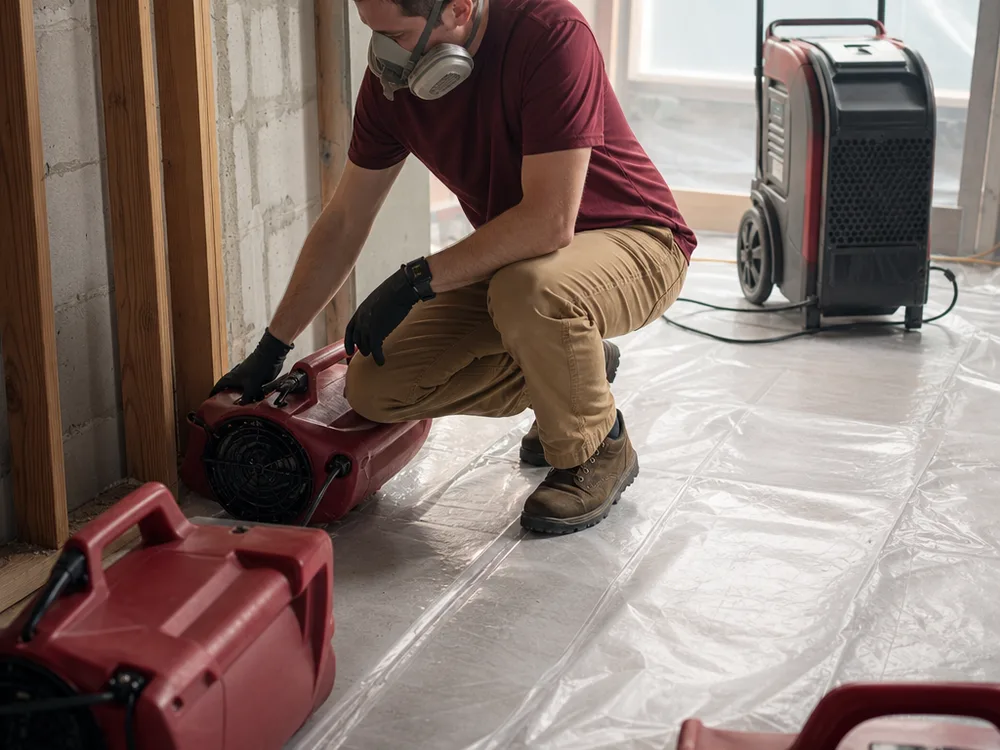
Standing water is extracted, then air movement and dehumidification are set up based on the affected materials. Some assemblies need openings for airflow.
If materials cannot be dried or are contaminated, the contractor may remove sections of drywall, baseboard, insulation, flooring, or cabinets to reach wet layers.
Once drying targets are met, the contractor can walk you through what comes next: repairs, rebuild, and any odor or microbial concerns that remain.
If you're staring at a wet ceiling, soaked carpet, or a basement with standing water, describe what happened once and we'll connect you with a local Columbus contractor who can take it from there.
CALL NOW: 380-233-4315Moisture checks, managed airflow, dehumidification, and confirmation of dry conditions help prepare the affected space for repairs.
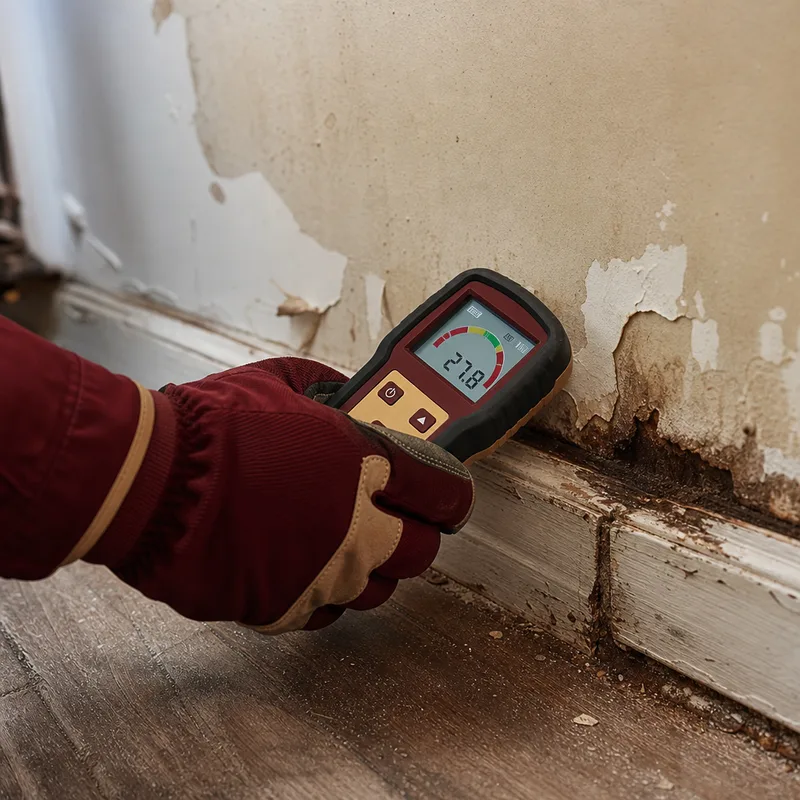
If water reached baseboards, seams, vents, or the edge of a room, it can be in wall cavities or under flooring even when the top looks dry. A contractor typically confirms spread with moisture mapping and by checking likely pathways such as under floating floors, inside vanity toe-kicks, and behind trim.
The most useful details are the source—burst pipe, appliance leak, roof leak, or groundwater—the rooms affected, and how long the water has been present. Mention any materials involved, such as carpet, hardwood, laminate, or drywall, and whether power is off in the wet area, especially for basements.
Some materials can be dried in place, and some cannot, depending on how wet they are and what's underneath. A contractor will explain whether openings are needed for airflow, such as removing baseboards or cutting small access points, and when selective removal is the safer route.
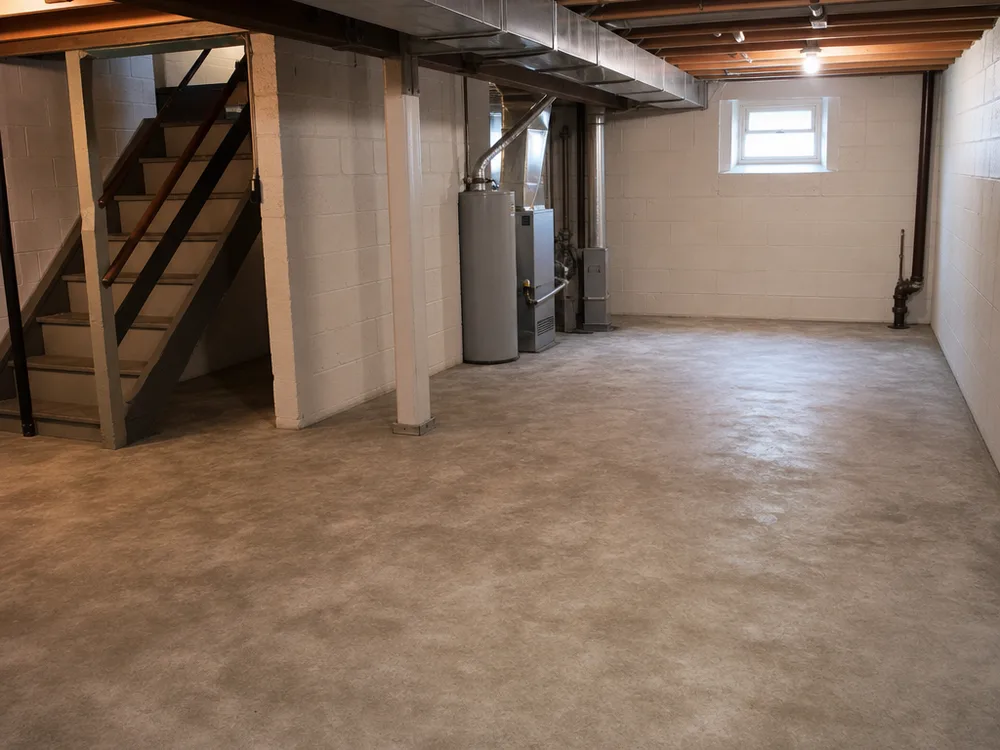
Basements often collect water in low spots and can keep moisture trapped against concrete or behind finished walls and floors. In Columbus, many water-damage calls involve finished basements where the drying plan needs careful access to what's behind paneling, trim, or flooring systems.
Mold risk goes up when wet materials stay damp or when water is trapped in hidden cavities. The contractor you speak with can tell you what they see and whether drying and removal steps are likely to address it, or whether separate remediation should be discussed.
You describe the situation once over the phone, and we connect you with a local contractor who handles water damage restoration work. You'll discuss scope and scheduling directly with the contractor and decide whether to move forward.
Call and describe where the water started, what's wet, and what you've done so far. We'll connect you with a local contractor in Columbus, OH who can walk you through the next steps for water removal, drying, and cleanup.
For how inspection, containment and cleanup run across the whole service, see the Columbus Mold Removal overview.