✓
Describe the problem once
Instead of repeating the same story to multiple companies, you explain the leak or flood once and get connected with a contractor who handles this type of restoration work.
Serving Columbus, Ohio & surrounding areas
Calls answered around the clock
Describe what happened once and get connected with a local contractor who handles drying, cleanup, and repair after water damage.
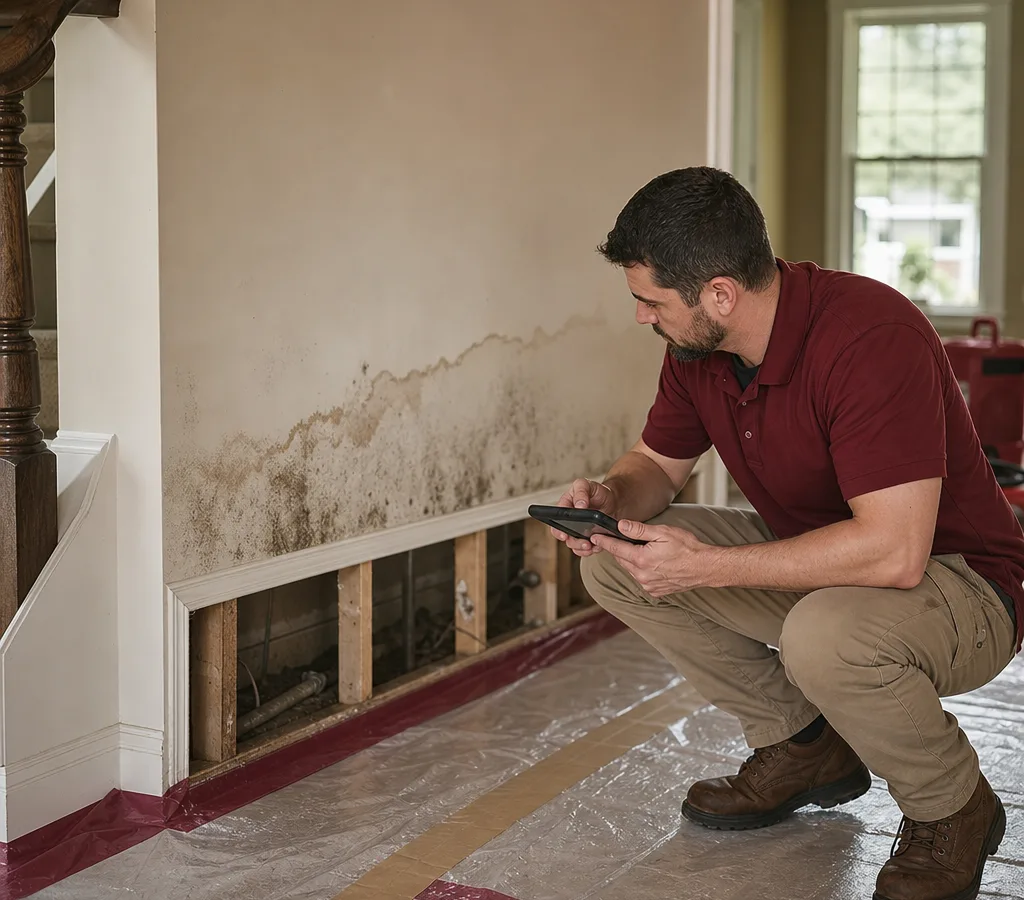
Searching for water damage restoration Columbus Ohio usually means you need more than a wet-vac and a few fans. Restoration is a sequence of decisions: stop the source, map where the water traveled, dry what can be dried, remove what can't, and then rebuild.
A local contractor typically starts by separating two things homeowners often mix together: the visible mess and the hidden moisture. Water moves through baseboards, behind cabinets, under flooring, and into wall cavities. The right approach depends on the water category, the material that got wet, and how long the area stayed damp.
Common water damage restoration steps include:
When you call, describe what happened and what you're seeing—including where the water started, what's wet, any odors, and whether power is impacted. We connect you with a local contractor who can take it from there and explain the next steps for your property.
Instead of repeating the same story to multiple companies, you explain the leak or flood once and get connected with a contractor who handles this type of restoration work.
The contractors we connect you with serve Columbus and nearby communities, so you're talking to someone familiar with local housing styles and common water sources.
A restoration contractor can explain what needs drying, what may need removal, and what repairs typically follow after the moisture is controlled.
You speak with the contractor directly, ask your questions, and decide whether the scope and timeline make sense for your home or business.
Water events often involve plumbing, roofing, or appliances. The contractor can tell you what trade needs to address the source before restoration moves forward.
One call starts the referral, followed by inspection, drying, cleanup, monitoring, and repair planning with the contractor.
When you call, be ready to describe the source, the rooms affected, and whether water is still present.
We connect you with a contractor who works on water damage restoration in the Columbus area and can discuss immediate priorities such as stopping water, power safety, and protecting belongings.
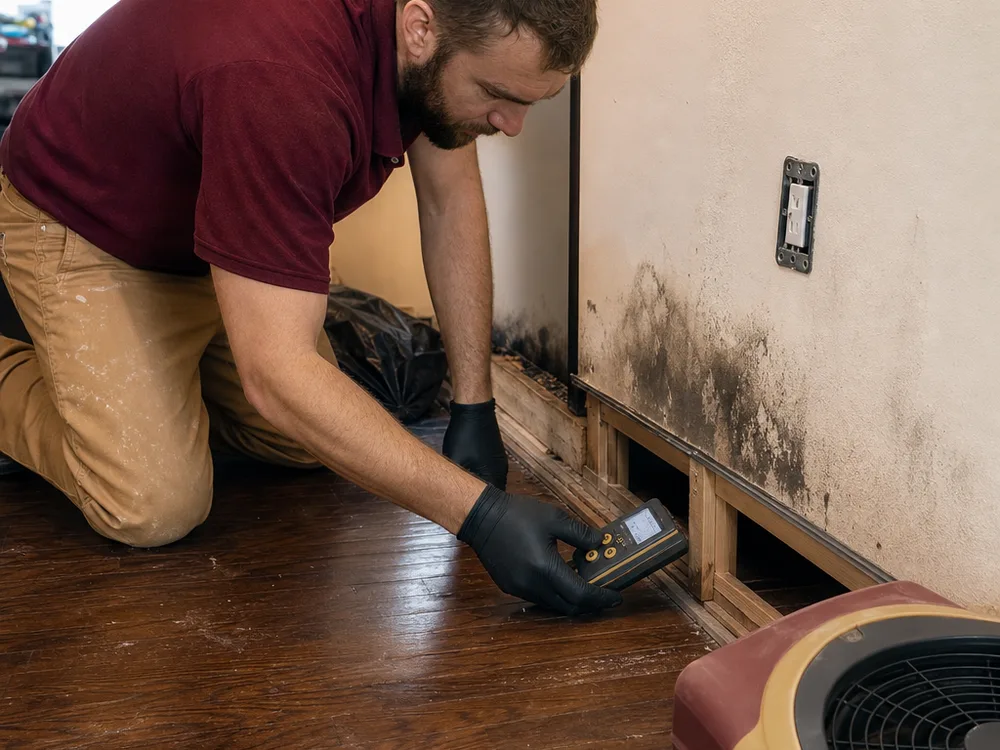
The contractor checks materials and assemblies that trap water and identifies what can be dried in place versus what needs removal.
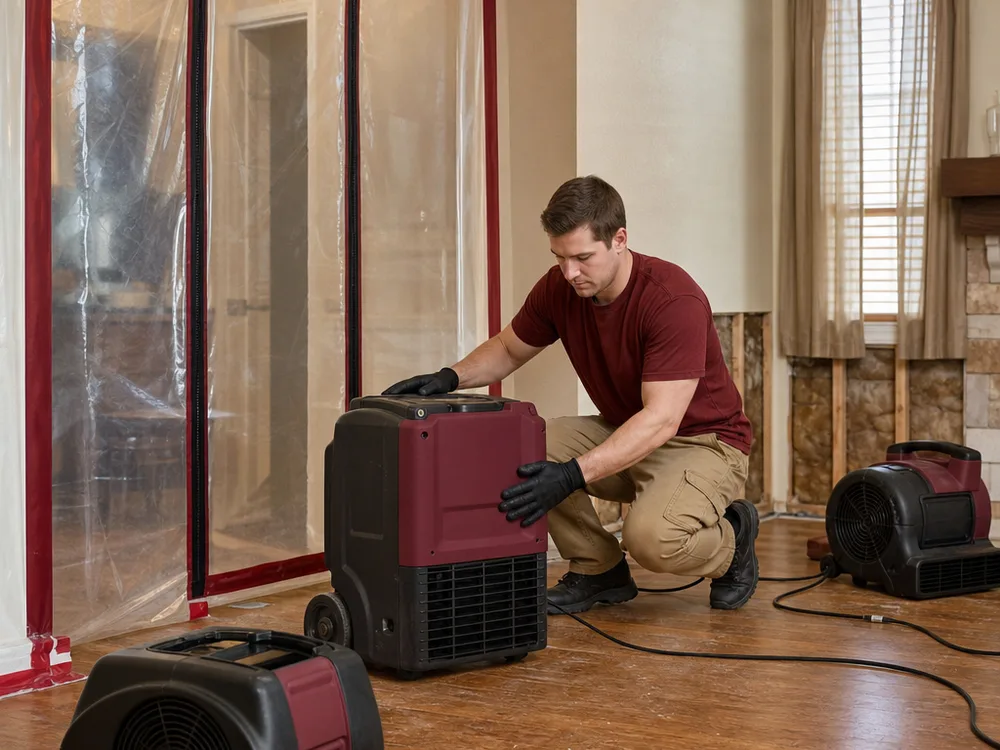
Equipment is set up and adjusted using moisture readings. If materials are contaminated or cannot dry properly, selective removal is planned.
Once drying goals are met, the contractor can outline repair steps such as drywall and trim replacement, paint, and flooring work.
If water is spreading, materials are swelling, or you smell mustiness, a phone call is the simplest next step. Explain what you're seeing once and get connected with a Columbus-area contractor who handles water damage restoration.
CALL NOW: 380-233-4315Opening wet cavities, controlling humidity, and completing repairs are coordinated around what the moisture readings show.
The most useful details are the water source, how long it has been happening, and what rooms or levels are affected. Also note what materials are wet, whether the water is clean or may be contaminated, and whether you've shut off the water supply. If you can do so safely, photos help you describe the situation clearly.
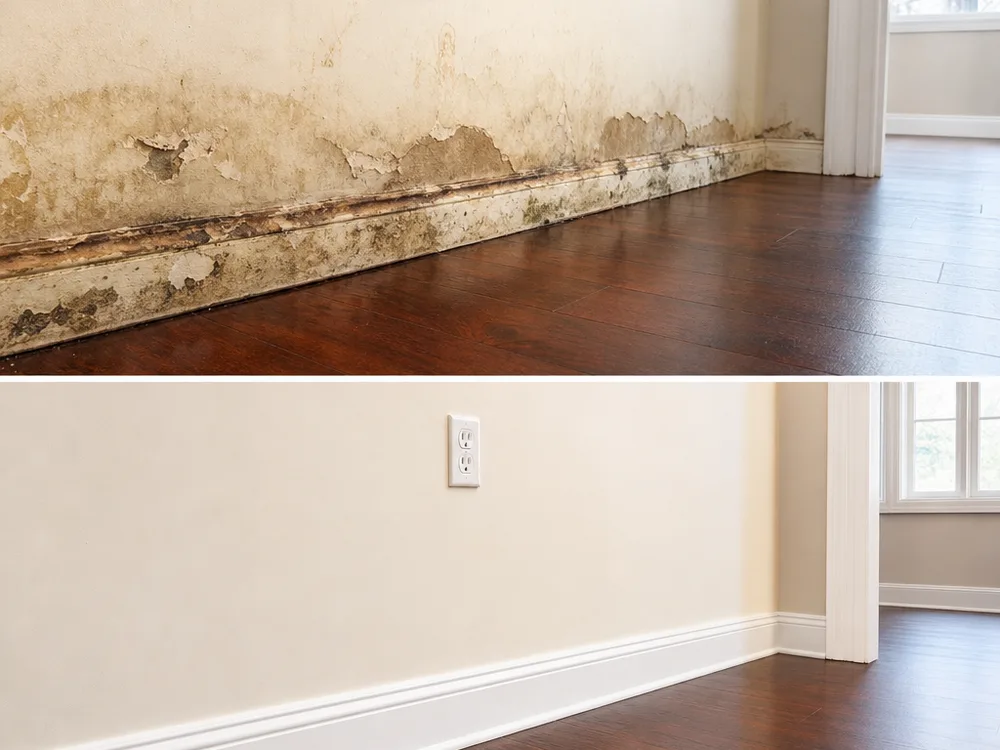
They use moisture mapping to check beyond the visible wet area, often along wall bases, around doorways, and at transitions between rooms. Readings and visual cues help determine whether materials can dry in place or whether sections should be opened.
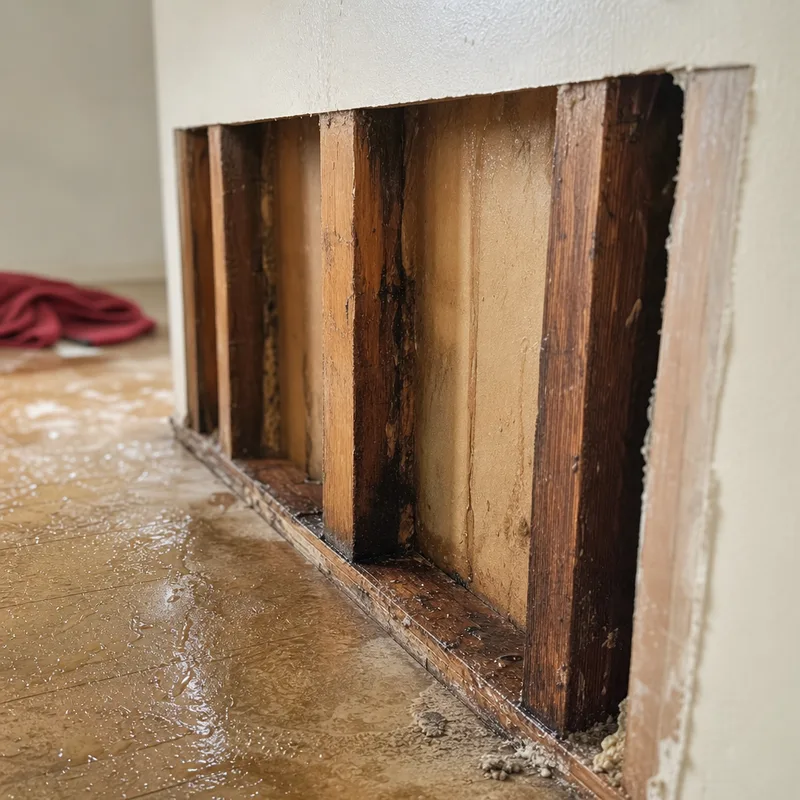
Not always, but saturated insulation and swollen drywall near the floor often cannot dry properly without opening the wall. A contractor decides based on the water type, how long materials stayed wet, and whether the assembly can dry without trapping moisture.
Clean supply-line water is handled differently than water containing waste or contaminants. With sewage or drain backups, porous materials are commonly removed because they cannot be reliably cleaned, and additional cleaning and disinfection steps may be needed.
Drying time depends on how much water entered the structure, what materials were affected, and how enclosed the wet areas are. Some situations dry in a few days; others require longer monitoring, especially when water is under flooring or inside wall cavities.
Move items away from standing water if it is safe and you can do so without spreading contamination. Avoid dragging wet items across dry flooring or stacking them against walls. A contractor can advise which items may be dried and cleaned.
Mold becomes more likely when moisture stays trapped in porous materials or closed cavities. Musty odor, persistent dampness, or recurring staining are common warning signs. If you suspect microbial growth, the contractor may recommend involving a specialist.
You call and describe the water damage situation once, and we connect you with a local contractor who handles this type of restoration work. You discuss the scope directly with the contractor, ask questions, and decide whether to move forward.
If you're dealing with wet floors, stained ceilings, swelling trim, or a musty smell, a phone call can get the process moving. Describe the water issue once and get connected with a local contractor who handles water damage restoration in Columbus.
For how inspection, containment and cleanup run across the whole service, see the Columbus Mold Removal overview.