✓
Describe the situation once
Tell us where the water is, what caused it if known, and what materials are affected. We use that to connect you with a local contractor who handles this type of job.
Serving Columbus, Ohio & surrounding areas
Calls answered around the clock
Describe what happened once and we'll connect you with a local contractor who handles water extraction, drying, and restoration for your property.
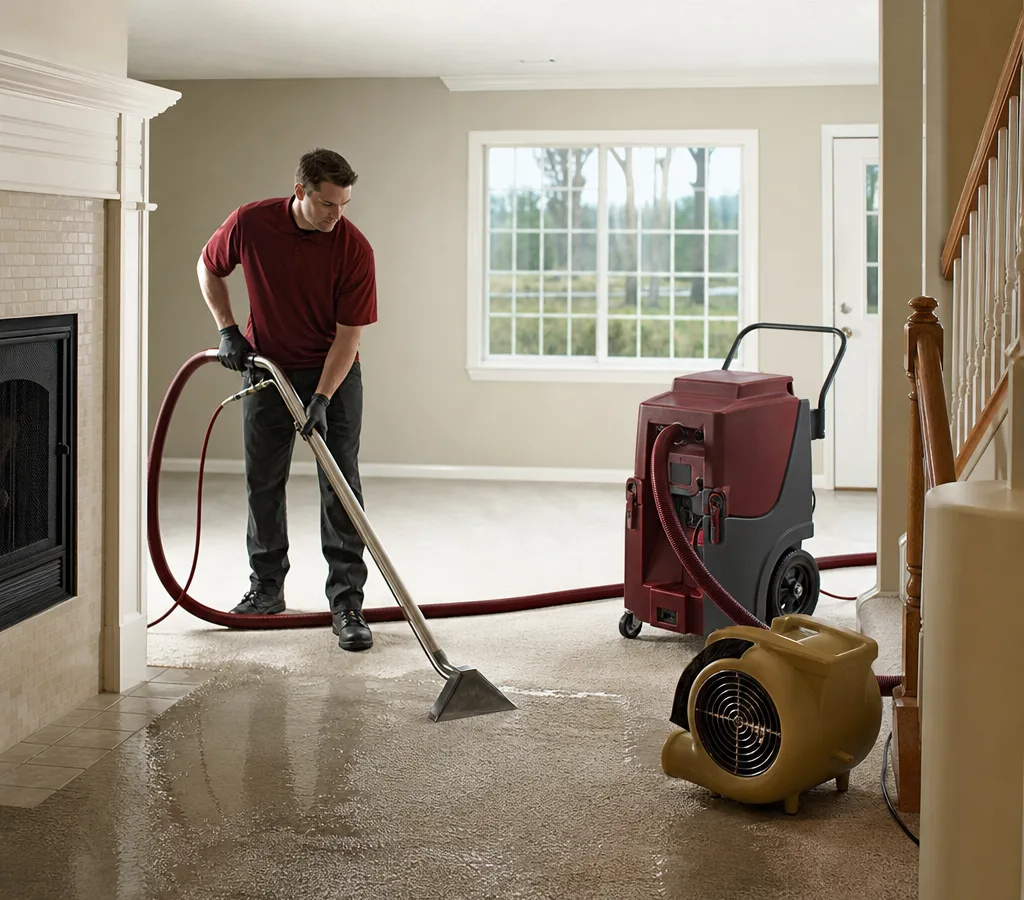
Water damage repair is part cleanup, part drying science, and part rebuilding. The goal is to remove water, dry materials to an appropriate moisture level, manage odor and contamination risks, and restore the affected areas so the structure and finishes are stable again.
If you're searching for Columbus water damage repair, you're usually dealing with one of a few situations: a supply line leak under a sink, a water heater failure, an overflowing toilet, a roof leak, or seepage after heavy rain. In Columbus, freeze-thaw cycles and spring storms can turn a small weakness into a ceiling stain or a wet basement corner, so the repair plan often starts with figuring out whether the water is still entering and where it traveled.
A local contractor typically begins with a quick triage:
Water can wick into drywall, insulation, subfloor seams, and framing. A visible puddle is only part of the problem. A solid plan prioritizes drying the hidden areas without trapping moisture behind new paint, trim, or flooring.
If you also suspect microbial growth after a delay or a repeated leak, it can help to talk through mold removal at the same time so you understand where water damage repair ends and a separate mold process may begin.
Tell us where the water is, what caused it if known, and what materials are affected. We use that to connect you with a local contractor who handles this type of job.
Water damage repair can be light drying and minor rebuilds, or it can involve removing wet materials and restoring multiple rooms. We connect you with a contractor who takes on that scope.
In many Columbus homes, moisture can travel through plaster and lath, older wood subfloors, or finished basements. The contractor can explain what needs to be opened up to dry correctly.
The contractor can walk you through demolition, drying, cleaning, and restoration steps so you know what happens first and what comes later.
You speak directly with the contractor, ask questions, review their scope, and decide whether to move forward.
The work moves from assessment and extraction through measured drying, cleanup, and restoration.
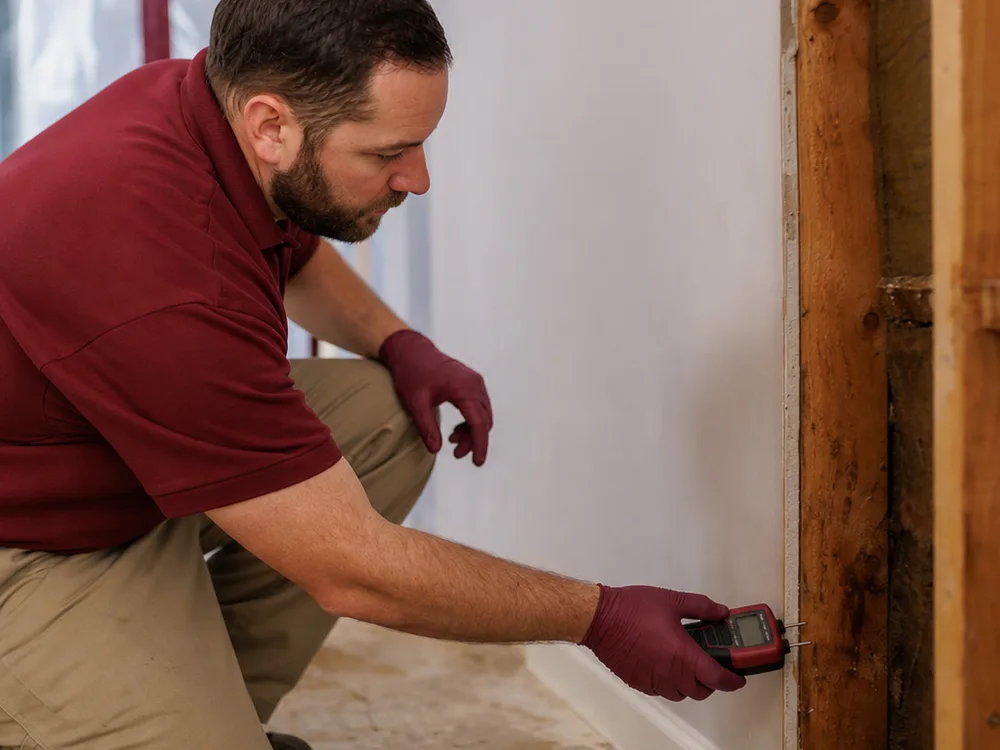
The contractor checks where water entered, where it spread, and which materials are holding moisture. Expect moisture meter readings and a plan for what must be removed versus dried in place.
Standing water is extracted. If materials can't be dried safely or would trap moisture, such as swollen baseboards, saturated drywall, or delaminated flooring, they may be removed to open the assembly.
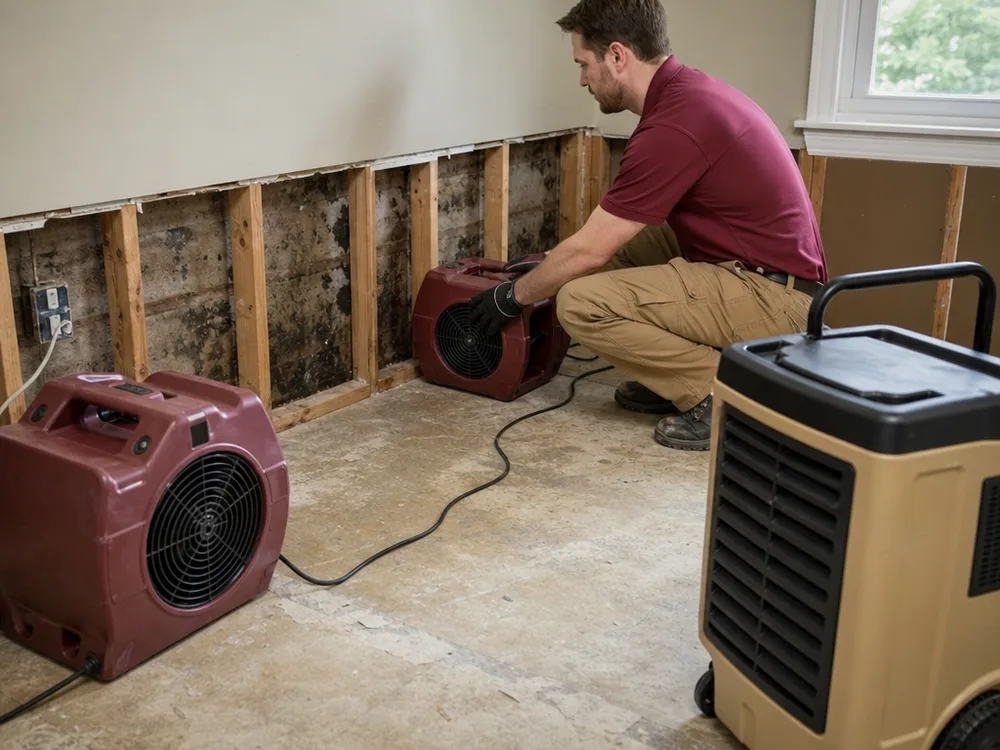
Air movers and dehumidifiers are positioned to dry framing, subfloors, and wall cavities. The contractor should explain what they are drying, how progress is checked, and what “dry” means for your materials.
Depending on the water source, the contractor may clean and sanitize affected areas and address odor. If contaminated water was involved, containment and disposal steps differ from those used for a clean supply leak.
Once materials are dry, restoration may include insulation, drywall, flooring, trim, paint, and cabinetry repairs. The scope depends on what had to be removed and what can be saved.
If you're dealing with wet drywall, soaked flooring, a ceiling stain, or a damp basement smell, describe what you're seeing and get connected with a local contractor who handles water damage repair Columbus OH homeowners call for.
CALL NOW: 380-233-4315Moisture mapping, controlled drying, and restoration each address a different part of the damage.
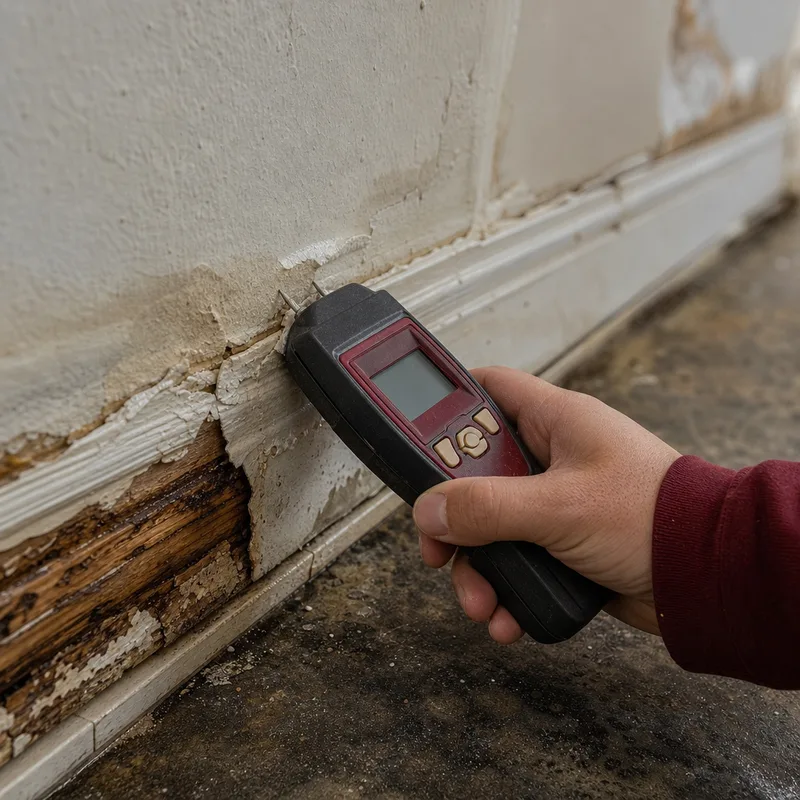
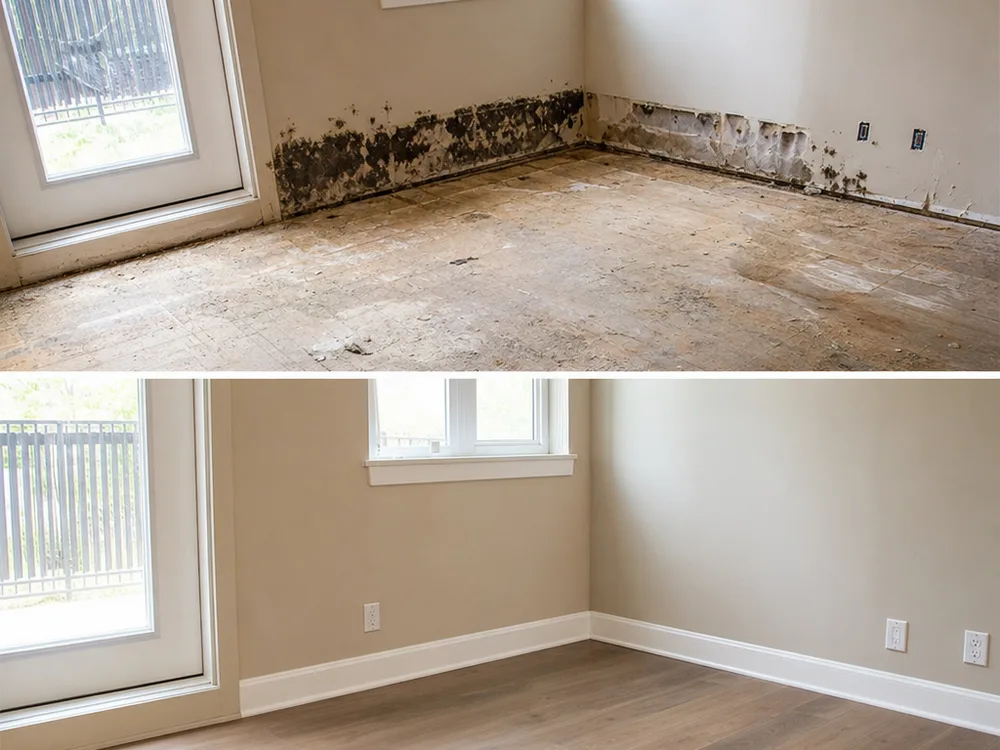
Hidden moisture is usually confirmed with moisture meter readings and, in many cases, infrared imaging, followed by checking suspect areas at baseboards, outlets, and flooring edges. A contractor will look for wicking lines on drywall, cupping in wood flooring, spongy subfloors, and persistent humidity or odor that does not match what you can see.
Be ready to describe the source, how long you think the water was present, which rooms are affected, and what materials got wet. If you can safely do it, note whether water is still active, whether the breaker panel area is dry, and whether you've shut off the water supply.
Removal depends on saturation depth, material type, and contamination risk. Drywall that is swollen or wet at the bottom edge is often cut to allow airflow in the cavity, while solid wood framing may be dried in place if it is structurally sound. A contractor should explain what is being removed and what can be dried and saved.
Clean water typically comes from a supply line or rainwater that has not picked up contaminants, while gray or contaminated water may involve a toilet overflow, drain backup, or water that contacted dirty surfaces. The difference matters because cleaning methods, disposal, and what materials can be kept change when contamination is possible.
Drying time depends on how much water entered, what materials are affected, and how enclosed the wet areas are. In many projects the drying phase takes several days, and the contractor confirms progress with repeat moisture readings rather than guessing based on how a surface feels.
Often you can, but it depends on which rooms are opened up, noise from drying equipment, and whether contaminated water was involved. The contractor can tell you what areas should be kept off limits, whether odor control steps are planned, and how to manage pets and children around equipment and wet surfaces.
Ask how they will identify the full extent of moisture, what materials they expect to remove versus dry in place, how drying progress is measured, and what the restoration scope includes after drying is complete. It also helps to ask how they handle odor control and what precautions they recommend if the water source may be contaminated.
Call Mold Removal Columbus Ohio, describe the water source and what's wet, and we'll connect you with a local contractor who can evaluate the damage, dry the structure, and talk through the restoration steps.
For how inspection, containment and cleanup run across the whole service, see the Columbus Mold Removal overview.